
Nobel Prize Slaps Walsh: Who Says Forward Guidance Is Useless!?

At his very first interest rate meeting in June after taking office, Fed Chair Walsh announced, “We have abandoned forward guidance,” and in September he again refused to provide his own forecasts in the dot plot, arguing that the market should “watch the ball, not the referee.”
Four months later, on October 12, the Royal Swedish Academy of Sciences awarded this year's Nobel Prize in Economics to Robert E. Hall of Stanford University and Michael Woodford of Columbia University—the latter being the theoretical source of forward guidance, whose lifelong central belief is summed up in one phrase: a central bank’s ability to manage expectations is more important than the interest rate itself.
The selection committee gave the following reason for the award: whether households are spending or businesses are setting prices, they are both planning for tomorrow—to stabilize the economy, the central bank must manage everyone’s expectations about the future, and the most crucial way to manage expectations is through communication.
This may sound like common sense, but economists spent decades turning this from intuition into usable, calculable models—the reason being that the previous generation of Keynesian models had a fatal bug.
Disclaimer: The content of this article solely reflects the author's opinion and does not represent the platform in any capacity. This article is not intended to serve as a reference for making investment decisions.
You may also like
TSMC may raise its annual revenue guidance when releasing its third-quarter earnings
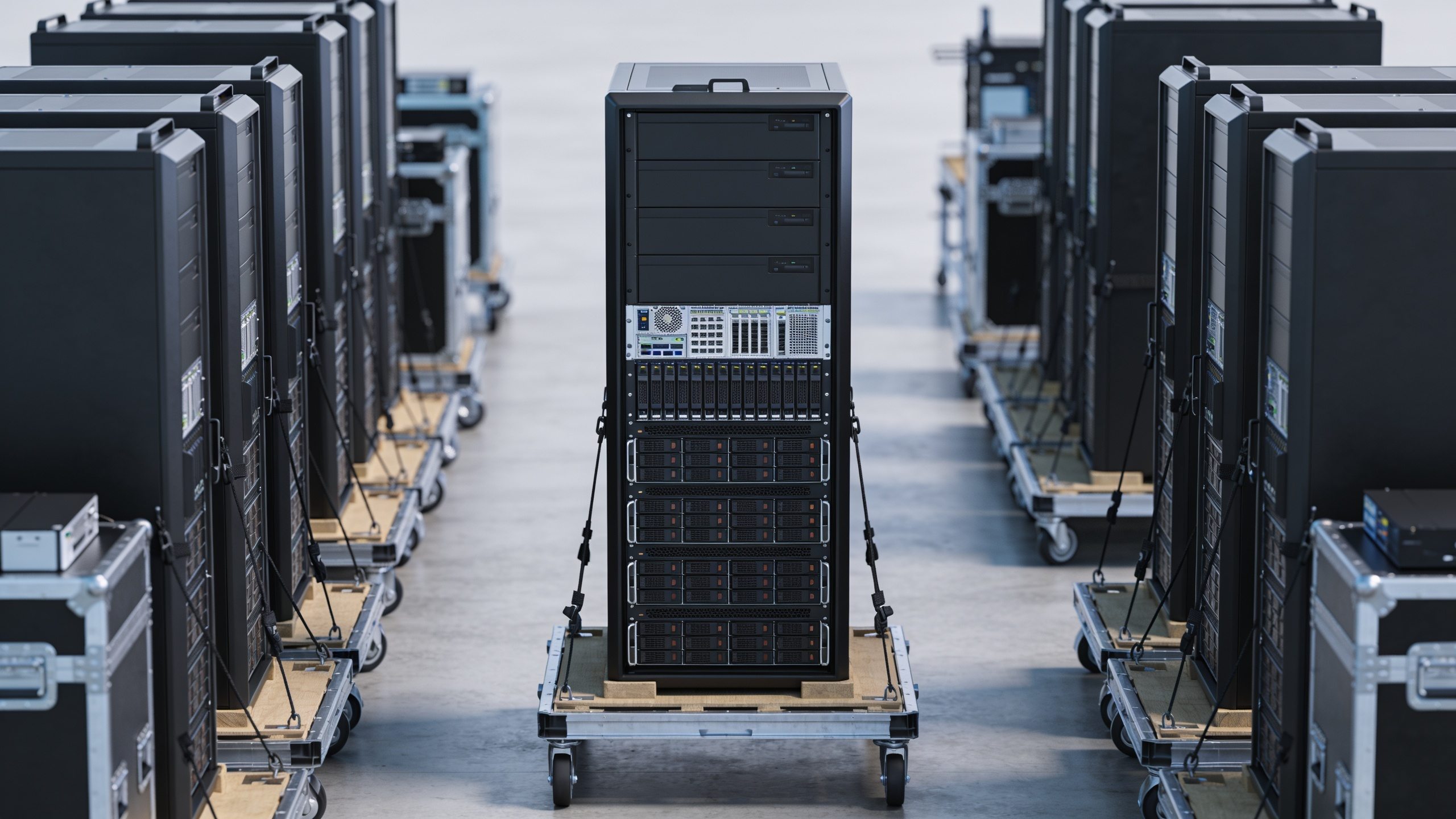
AMD launches Helion intelligent agent AI rack design, supporting up to 32,768 cores, jointly endorsed by eight manufacturers including Cisco and Dell.
AMD has released the Helion Intelligent Agent AI rack design, based on the Open Compute Project (OCP) standard. The CPU-only configuration supports up to 32,768 CPU cores, while also offering an integrated CPU+GPU enterprise setup. The platform features a built-in token router and supports multi-model scheduling. Eight major hardware manufacturers, including Cisco, Dell, and HPE, have announced their support. Related products are expected to launch in November 2026.
Crypto prices
More


