
Bitcoin’s $20K Collapse: 6 Reasons Behind the Crash and What’s Next

Bitcoin plunged roughly 25% to fall below the $20,000 level, marking one of the sharpest drawdowns in the asset’s history and wiping out billions in market value within days.
The collapse brought Bitcoin to its lowest price since late 2020. The $20,000 threshold carried heavy psychological weight as the approximate peak of the 2017 bull cycle, so breaking below it signaled that the entire 2021 rally had been erased.
Six reasons Bitcoin crashed below $20,000
1. Aggressive Federal Reserve rate hikes. The Fed raised its benchmark interest rate by 75 basis points in June 2022, the largest single increase since 1994. Tighter monetary policy pulled capital out of speculative assets, and Bitcoin bore the brunt.
2. Collapsing risk appetite across markets. The rate hike was part of a broader tightening cycle that pressured equities, tech stocks, and crypto simultaneously. Bitcoin’s growing correlation with the Nasdaq meant it could not escape the macro sell-off.
3. Contagion from the Terra/Luna collapse. Weeks before the $20,000 breach, the implosion of the Terra ecosystem destroyed roughly $40 billion in value and shook confidence across the entire crypto market, triggering forced selling from exposed funds and protocols.
4. Cascading liquidations. As Bitcoin broke key support levels, leveraged long positions were forcibly closed, accelerating the decline. Each wave of liquidations pushed prices lower, triggering further margin calls in a self-reinforcing loop.
5. Lending platform freezes. Major crypto lenders froze withdrawals amid the downturn, fueling panic. The inability to access funds forced holders on other platforms to sell preemptively, adding to sell pressure.
6. Loss of the $20,000 psychological floor. As Bitcoin dropped to below $20,000, the breach of this symbolic level triggered capitulation among retail holders who had treated it as unbreakable support.
What happens next after the crash
A sustained recovery would likely require a clear signal that the Fed’s tightening cycle is nearing its end. Without a shift in monetary policy, risk assets including Bitcoin face continued headwinds from rising rates and tighter liquidity.
In a bearish scenario, further forced selling from distressed crypto lenders or funds could push Bitcoin toward lower support zones. The XRP market has faced similar breakdown risks, suggesting the pressure extends beyond Bitcoin alone.
A base case points to an extended period of range-bound trading near $20,000 as the market absorbs losses. Meanwhile, some projects like Solana and XRP have shown tighter price action even as Bitcoin struggles to find a floor.
The key signals to watch are Federal Reserve policy statements, on-chain exchange outflows indicating accumulation, and whether contagion from lending platform failures spreads further. How major holders respond, whether through holding or selling their Bitcoin positions, will also shape the recovery timeline.
Disclaimer: The content of this article solely reflects the author's opinion and does not represent the platform in any capacity. This article is not intended to serve as a reference for making investment decisions.
You may also like
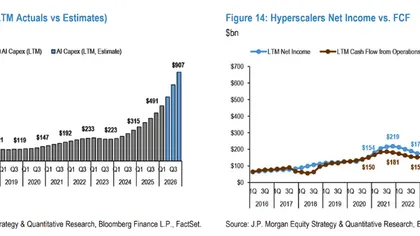
From the Token Frenzy to the $1.3 Trillion AI Server Blue Ocean: AI Inference Computing Power Fully Explodes, Industry Leaders like Dell Usher in the Golden Era of "Volume, Price, and Market Share"
Leading global AI server cluster manufacturers such as Dell are simultaneously benefiting from two major growth dividends: the accelerated expansion of the AI server market and a significant increase in the order shares from core AI cloud computing customers, including large enterprises and new cloud providers. They are not merely passively profiting from hardware price increases.

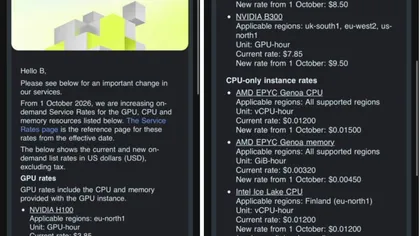
GPU Cloud Services Surge in Price: Nebius Raises Prices Again by 20%, Computing Power Supply Side Gains Bargaining Power
From October 1st, Nebius will raise prices for its entire GPU cloud service line by approximately 20%, with multiple chips from H100 to B300 seeing increases. This marks the second round of price hikes in recent months, and the cumulative increase for B300 has reached 56%. Demand visibility extends beyond 24 months, with customers eager to purchase Blackwell computing power, even willing to pay a premium in auctions. The supply-demand imbalance for AI computing power is reshaping the entire industry’s negotiation landscape, as bargaining power is quietly shifting to the supply side.
Crypto prices
More


