
The Verus-Ethereum bridge was exploited for more than $11 million, raising fresh concerns around cross-chain security and Ethereum-linked bridge risk.

The Verus-Ethereum ETH +0.00% bridge was exploited for more than $11 million after an attacker drained ETH, USDC, and tBTC from the cross-chain contract, forcing the Verus network to halt as node operators took themselves offline in the aftermath.
How the attacker drained over $11 million from the bridge
Security firm Halborn estimated the total loss at $11.58 million. The stolen assets included 1,625 ETH, 147,659 USDC, and 103.57 tBTC v2, according to reporting that cited on-chain records.
The attacker consolidated the proceeds into a single wallet. Etherscan data shows the flagged address, labeled “Verus Exploiter 2” by Blockaid, held 5,402.40 ETH worth $11,418,190.87 at the time of review. The wallet was funded directly by the Verus: Ethereum Bridge contract.
ON-CHAIN DATA
- Flagged address: 0x65Cb…25F9
- Balance at review: 5,402.40 ETH ($11,418,190.87)
- Funded by: Verus: Ethereum Bridge
- Flagged by: Blockaid
Halborn’s analysis identified the root cause as a missing validation check: the bridge contract did not verify that the input amount on the Verus side matched the payout amount on Ethereum. That gap allowed the attacker to claim far more than they deposited.
The Verus project’s official Reddit update confirmed the bridge was compromised at 11:55:23 PM UTC. ETH, USDC, and tBTC were taken from the Ethereum-side contract. Most block-generating nodes subsequently took themselves offline after encountering the attack’s byproducts, effectively halting the Verus network.
Before the exploit, Verus described its bridge as “non-custodial, based on cryptographic proofs & verified by miners and stakers” on its official bridge page. The validation gap that Halborn identified suggests the cryptographic proof framework did not extend to amount-matching between chains.
Why this exploit deepens concerns about cross-chain bridge security
The Verus incident is the eighth major bridge-related exploit of 2026. PeckShield’s cumulative tally of bridge hacks reached $328.6 million for the year through mid-May, underscoring how cross-chain infrastructure remains one of the most targeted attack surfaces in crypto.
Bridge exploits attract outsized attention because they strike at the infrastructure layer connecting otherwise isolated networks. When a bridge fails, every user who trusted it with locked assets is exposed. The pattern echoes previous incidents involving government seizure of ETH and stablecoins tied to protocol failures, where assets moved through centralized channels after trust in decentralized infrastructure collapsed.
ETH traded at $2,109.41 at press time, down 1.03% over 24 hours. The broader crypto Fear & Greed Index sat at 27, firmly in “Fear” territory, a backdrop that amplifies the market’s sensitivity to security events.
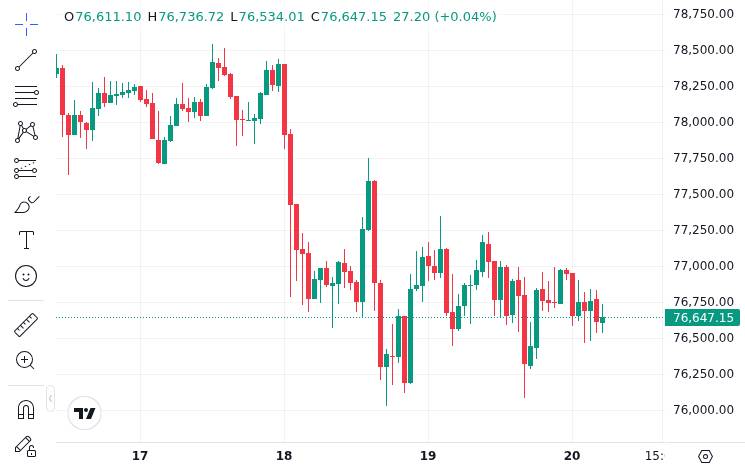 CoinMarketCap chart illustrating the price backdrop referenced in this article on ethereum.
Validation failures of this kind are not unique to Verus. Cross-chain bridges must reconcile state across two independent consensus systems, and any mismatch in how amounts or proofs are checked creates an exploitable seam. The gap between Verus’s security marketing and its actual implementation highlights how quickly confidence can erode when crypto projects face scrutiny over the distance between claims and reality.
What users and investors should watch next
No standalone postmortem from the Verus team has been published beyond the Reddit community update. Users who had assets locked in the bridge contract should monitor official Verus channels for information on whether any recovery or remediation process will be offered.
The Verus network halt remains a key variable. While the halt contained the immediate damage, it also froze all on-chain activity for Verus users. The timeline for a network restart, along with any planned bridge contract patches, will determine whether user confidence can be restored.
Investigators and security firms, including Halborn and Blockaid, have already flagged the exploiter wallet. Whether the attacker attempts to move the consolidated ETH through mixers or bridges will be closely watched. Past bridge exploits have seen mixed results on fund recovery, ranging from full restitution in some negotiated cases to permanent loss in others.
For the broader Ethereum ecosystem, the incident adds to a growing body of evidence that bridge security audits need to cover cross-chain state validation end to end. With bridge hacks already topping $328 million this year, protocols that rely on cross-chain infrastructure, including those attracting attention through emerging token narratives, face increasing pressure to demonstrate their verification models hold under adversarial conditions.
Disclaimer: The content of this article solely reflects the author's opinion and does not represent the platform in any capacity. This article is not intended to serve as a reference for making investment decisions.
You may also like
Once frenzied buying, now the "ammunition warehouse" shrinks by 51 trillion KRW! Korean retail investors can no longer afford to buy
In four months, Korean retail investors' "ammunition stockpile" has dropped by 36.5%, returning to levels seen at the beginning of the year. Although retail investors have collectively made net purchases exceeding 75 trillion won, they are still absorbing the sell-off, but the influx of new funds has dried up, and the replenishment rate lags far behind the consumption rate. Combined with the KOSPI plunging nearly 20% this month, continued net selling by foreign investors, and concerns over AI-related credit risks, the Korean stock market may find it difficult to see a sustained rebound in the short term without support from private investors' funds.
Apple Prints TD Sequential Sell 9 — Last Two Led to 15.66% and 13.63% Corrections

The Collapse of "Consensus Trading" and the Birth of a New Consensus! Goldman Sachs Explains: Why Institutions Are Currently Significantly Reducing AI Holdings
The extremely crowded trade of "going long on AI, short on everything else" is undergoing a painful unwinding—markets are no longer satisfied with the "burn rate narrative." Mega-scale cloud providers must deliver real, visible revenue conversions alongside $1.1 trillion in capital expenditures. A power gap of 40-50 gigawatts, rising capital costs, and a macro paradigm shift from an era of "overspending" are turning AI trades from a matter of faith into a harsh test of monetization.

Starknet TVL crashes 3.7x to $42M after getting 93% vote to become L1
Crypto prices
More


