
Fed: Policy on hold as Iran shock lingers – TD Securities

TD Securities strategists Oscar Munoz and Eli Nir expect the Federal Reserve (Fed) to keep the Fed funds rate at 3.50–3.75% at the April Federal Open Market Committee (FOMC), with Chair Powell maintaining a neutral stance on future policy. They see the Fed remaining on hold until September 2026 as it assesses Iran-related risks, before delivering a gradual 75 bps of easing through March 2027.
Powell’s last meeting and path ahead
"The policy rate will remain at 3.50-3.75% at the April FOMC. The labor market remains in balance while headline inflation has picked up due to the oil shock. Given the still-heightened level of uncertainty, we expect the Committee will reiterate a message of patience."
"With the DoJ [Department of Justice] dropping its investigation into Powell, it appears that this week could be Powell's last FOMC meeting as chair. As we discussed in our note last week, whether or not Powell stays on as governor once Warsh is confirmed will be up to him. Powell may provide guidance on this in his press conference, but he could also choose to make a statement at a later time."
"Warsh’s Senate hearing offered little clarity on near-term policy. We believe it will prove difficult for him to achieve cuts immediately given the heightened uncertainty from the Iran conflict. He reiterated criticism of the Fed’s inflation performance, balance-sheet size, and forward guidance."
"We expect the Fed to remain on hold until September as they assess the developments in Iran and its impact on the economy. By then, inflation progress will have likely resumed, allowing for the Fed to continue its gradual move towards neutral. We look for 50bps total of easing this year in September and December with an additional 25bps cut in March 2027, ending with a Fed funds rate at 3.00%."
"We continue to expect that if the economic impacts from Iran moderate, the Fed can resume easing in September on inflation progress. Underlying inflation will likely improve after tariff and oil impacts fade, and we see little inflation risk from the labor market as will be evident in Q1 ECI this week."
(This article was created with the help of an Artificial Intelligence tool and reviewed by an editor.)
Disclaimer: The content of this article solely reflects the author's opinion and does not represent the platform in any capacity. This article is not intended to serve as a reference for making investment decisions.
You may also like
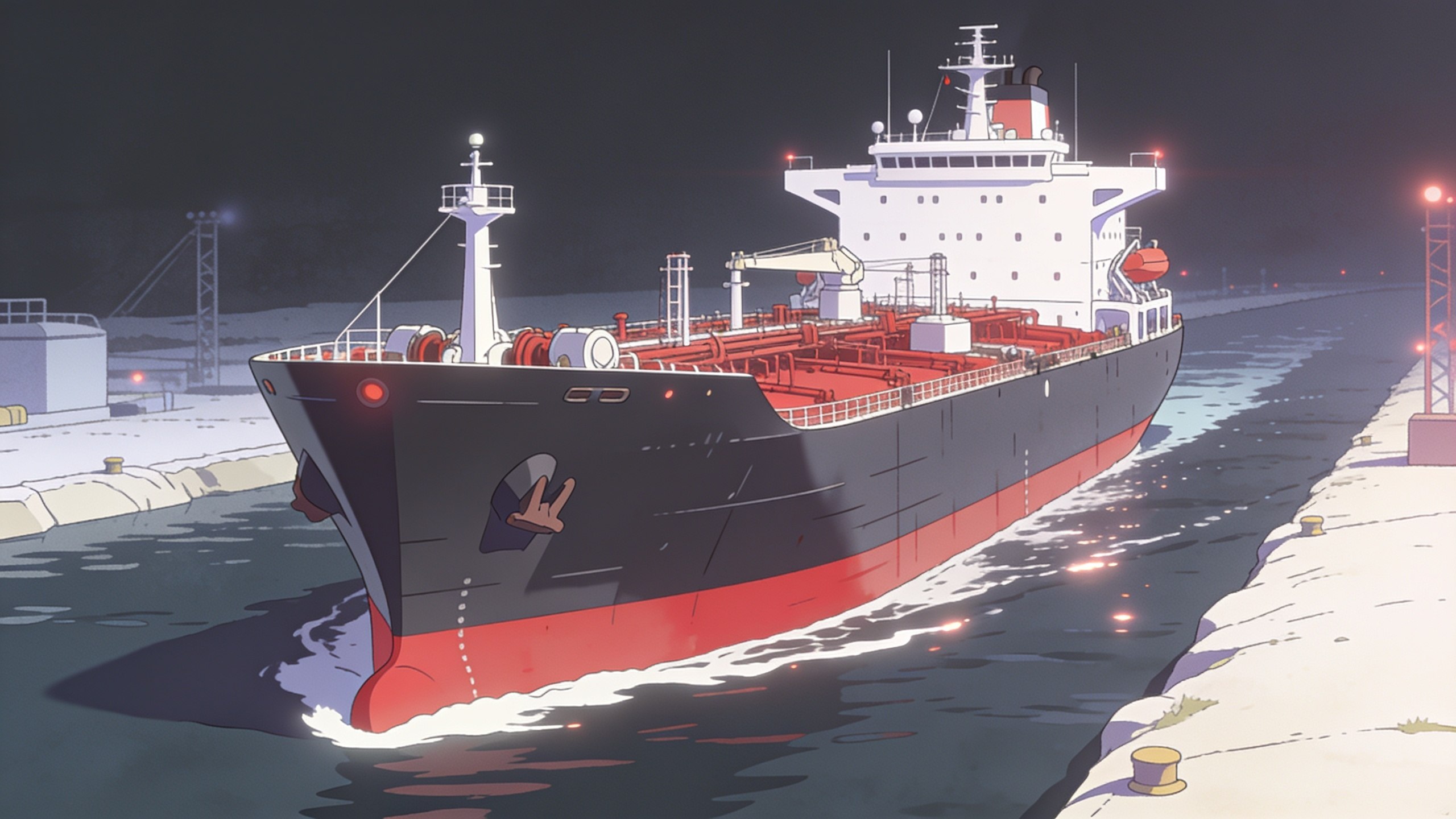
Nearly monopolizing "Hormuz oil shipping"! This Korean shipowner becomes "overnight rich," previously stockpiling 73 second-hand supertankers worth $6 billion
In September this year, Korea's HMM (Hyundai Merchant Marine) alone accounted for nearly 40% of the oil transit volume through the Strait of Hormuz, and in the first 10 days of October, this figure surpassed 50%, with the single-month oil transport volume exceeding the combined total of shipowners from Saudi Arabia, Kuwait, and the UAE. By engaging in high-premium "relay trade," it has made enormous profits from sky-high charter rates. The driving force behind this is a stake endorsement from the world's largest shipowner, MSC. Currently, its fleet consists of 162 vessels, making it the world's largest oil tanker operator.
Gold falls below $4,000, yen rises to resistance level, market becomes picky about 'safe-haven assets'
Gold fell below $4,000 this week, hitting a three-month low, diverging from US Treasury yields despite heightened global risk aversion. Analysts attribute gold's weakness to the fading speculative sentiment over the past year and rising expectations of interest rate hikes. Meanwhile, the yen, with its 40% undervaluation, has become Goldman Sachs' top choice as a hedging tool, quietly reshaping the landscape of traditional safe-haven assets.
A respite after a week of crisis! France temporarily escapes Moody's downgrade
Moody's has maintained France's rating, the second-largest economy in the Eurozone, at Aa3, which is seven notches above "junk" status and on par with the UK's rating; the outlook remains negative.
No Downgrade! Moody's Didn't "Add Fuel to the Fire", France "Dodged a Bullet"
Moody's announced it will maintain France's Aa3 rating, stating that France's diversified economic structure and robust public institutions support the current rating. However, the outlook remains negative because political instability will continue to constrain fiscal consolidation efforts. Moody's added that the maintenance of the Aa3 rating is based on the assumption that France will ultimately implement a deficit reduction plan, and expects "financing costs and social tensions will ease in the coming months."

Crypto prices
More


