
Wash Highlights: How to Explain Full Efforts Against Inflation but No Rate Increase in October

FX168 October 26 News—— While signaling a stance against inflation, the Fed pauses rate hikes; Waller's wording will impact the direction of the US dollar and gold
Currently, persistent inflation coupled with energy disruptions in the Middle East have brought the Fed’s fourth-quarter monetary policy to a delicate tipping point.
On one side, high prices are fueling demands for further rate hikes;
On the other, rising credit costs reveal fragile economic signals, and with midterm elections approaching, the Fed is forced to slow its pace and proceed cautiously.
A consensus expectation has formed among the market and mainstream economists: it is highly likely that rate hikes will pause in October while keeping the option for more tightening in December open. Policy debate will continue to influence asset pricing.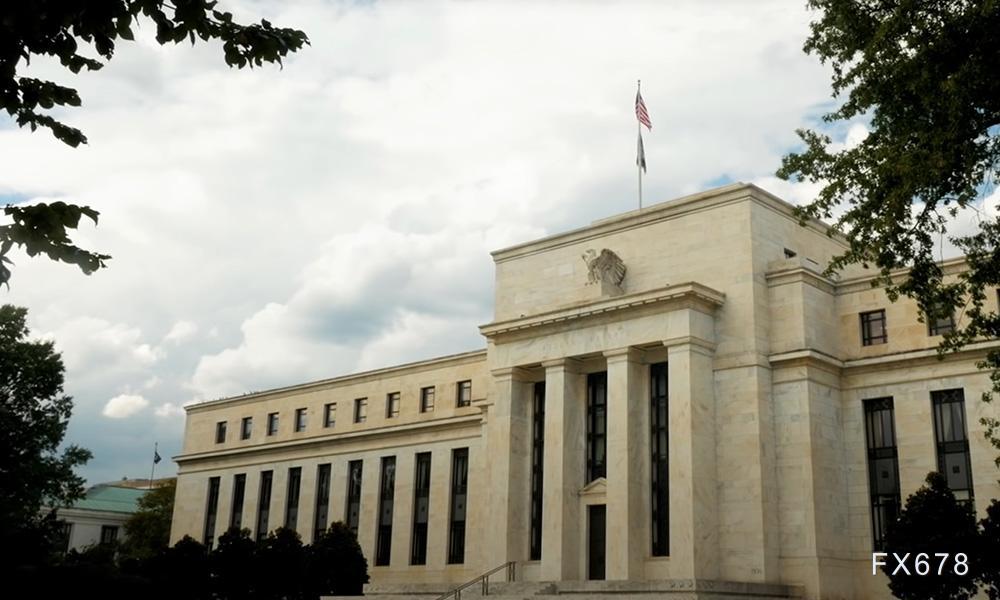
Rate Hike Implemented in September, Borrower Credit Costs Surge
The Fed enacted its first rate hike in over three years on September 16, unanimously raising the federal funds rate by 25 basis points to a target range of 3.75%-4.00%.
Policy tightening swiftly transmitted to consumer credit. Credit card rates, home equity loan rates, and variable mortgage rates all moved higher, significantly increasing repayment pressure on borrowers.
Key Focus of the Meeting: Waller’s Communication Challenge – What Goes Unspoken Is More Critical
The market broadly anticipates that this week’s FOMC will maintain rates. The key focus of this meeting is not the rate decision itself but rather Fed Chair Waller’s remarks.
He faces a dilemma: he must reiterate the Fed’s resolve to combat inflation, while also reasonably explaining the decision to pause rate hikes this time around.
This scenario is similar to the July meeting, when maintaining rates met expectations but investors were dissatisfied with Waller’s unwillingness to signal further hikes.
Stephen Stanley, Chief Economist at Santander US Capital Markets, commented, “I expect rates won’t change, but I do think they will hike again in December.
The tricky part of this meeting’s communication is that Waller needs to explain why there is no action in October, while simultaneously stating why December is still on the table.”
Traders should note that sometimes what Waller does not mention is the most critical signal.
Lack of hawkish language or avoiding commentary on long-term bond yields or oil prices may hint at a policy bias, prompting repricing more easily than outright statements.
Main Market View: Pause in October Rate Hikes to Avoid the Election Sensitivity Window
Mainstream economists, including Mark Zandi, Chief Economist at Moody’s Analytics, and Diane Swonk, Chief Economist at KPMG, have reached a similar judgment: it is highly probable the Fed will stand pat at the October policy meeting.
On one hand, the Fed needs time to digest and observe the lagged impact of the September rate hike on the real economy; on the other, with the meeting close to the midterm elections, the Fed will try to avoid implementing tightening policies within the election window to minimize unnecessary political interpretations.
In short, the bias for October is to “skip the rate hike,” but the option for a December hike remains open.
Inflation Risks Stem from Oil Prices, Economic Fundamentals Conceal Weaknesses
The main driver supporting a continued rate hike toward year-end is the energy risk brought by Middle East geopolitical tensions. Escalation in Iran is pushing up crude oil and diesel prices, and transportation costs will continue to be passed through to consumer goods, making sticky inflation difficult to dissipate quickly.
However, the economy is not strengthening in one direction: the job market is softening, hiring is slowing, wage growth has lagged behind inflation, and real consumer purchasing power continues to erode.
The evolution of geopolitical conflicts and the duration of high oil prices remain highly uncertain, thus the Fed’s policy path also carries considerable uncertainty.
Shifting to a cautious approach distinguishes this tightening phase from the aggressive cycle of 2022
This round of policy tightening is markedly different from the relentlessly aggressive hikes of 2022.
The Fed now treats “pause and observe” as a risk management tool, not an abandonment of the fight against inflation.
Swonk analyzes that a phased pause after rate hikes facilitates policymakers in identifying hidden economic and financial market vulnerabilities.
The core objective of the policy is to suppress prices, while preventing higher borrowing costs and long-term yields from triggering deeper downside risks.
Fed Governor Barr also mentioned that further policy adjustments will most likely be needed, though the pace is uncertain. If oil prices and inflation drop significantly early next year, the December rate hike could mark the end of this round of tightening.
Trading Implications: Fluctuating Expectations Guide US Dollar and Gold Trends
This core policy narrative will anchor dollar and gold movement in the fourth quarter. Should the October meeting deliver a dovish message, weakening expectations for a December rate hike, US Treasury yields will decline, pressuring the dollar, while gold could see a rebound;
If officials continue to keep December rate hikes on the table, actual rates are expected to stay elevated, supporting the dollar while gold, as a non-yielding asset, remains suppressed by opportunity costs. The back-and-forth over rate hike expectations through Q4 will continue to drive shifts in both dollar and gold prices.
Disclaimer: The content of this article solely reflects the author's opinion and does not represent the platform in any capacity. This article is not intended to serve as a reference for making investment decisions.
You may also like
MemeToro crypto presale raises $174K: how the AI agent works

SUI adds Cetus AI tools and Samsung access – Why is capital leaving?

BMNR Stock Plunges 4.5% as Tom Lee’s Bitmine Buys Back $45.9 Million in Shares and Adds 10,452 ETH


