Troubled Times: Outlook for US and European Rate Meetings

Morning FX
Recently, both the US and European markets have been turbulent, with liquidity tightening observed across many markets (European bonds, US stocks, gold, etc.).
The forex market is once again experiencing an "end-of-year race to the bottom." Coincidentally, both the US and European interest rate meetings will kick off next week in October.
Currently, there is broad market consensus on the meetings: neither the Fed nor the ECB will raise rates this month. The market focus is on central bank officials' statements at the press conferences, especially regarding near-term risks (European bond risks, AI risks, oil price risks)... With so many risk factors, it truly is a turbulent autumn.
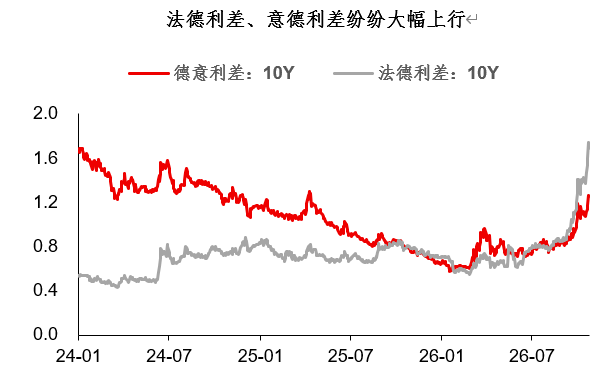
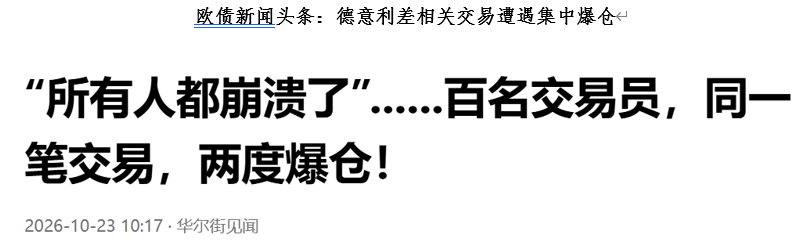
Regarding European bonds, the market clearly already shows signs of a negative liquidity feedback loop. Trading funds betting on French-German yield spreads have experienced mass liquidations, increasing selling pressure on French government bonds. I agree with the view of many foreign banks: this round of French problems is structural, not systemic. Nonetheless, this doesn’t prevent liquidations and negative feedback on positions—when liquidity recedes, asset pricing can deviate significantly from fair value.
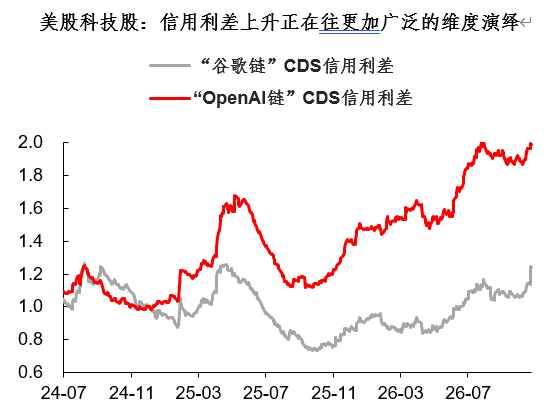
As for the US, tech stocks are facing a similar liquidity retreat. The market also seems to agree on the current US stock correction brought about by the CoreWeave incident: this is a credit stratification within AI, not an AI credit crisis. However, market observation indicates the destructive power of this "credit stratification" seems more intense than expected... For example, among key bonds being watched, the credit spreads of Oracle, Softbank, CLS, TTMI, and others have risen notably recently.
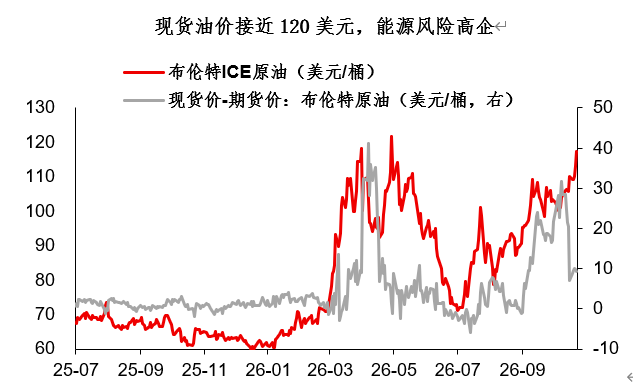
On the other hand, despite obvious financial risks emerging (European bonds, US stocks, etc.), expecting central bank easing is unlikely. The issue this round is that high oil prices and inflation risks are creating internal struggles for central banks, making real easing difficult. Recently, news has indicated that the chance of renewed US-Iran conflict is rising after the mid-term elections. Oil and natural gas prices have reached or exceeded highs from earlier this year—don't forget, winter is fast approaching...
In summary, it truly is a turbulent season (European bonds, US stocks, energy). How will the US and European central banks respond? I think there are several points:
1) In terms of the probability of marginal easing, the ECB is more likely than the Fed. After all, the nature of the European bond issue (sovereign credit) is clearly more serious than the AI issue (industry chain level). The ECB is more likely to adopt a marginal easing stance. Some foreign banks are already contemplating options, such as pausing the rate hike cycle, slowing balance sheet reduction, temporary tools (such as TPI), etc.;
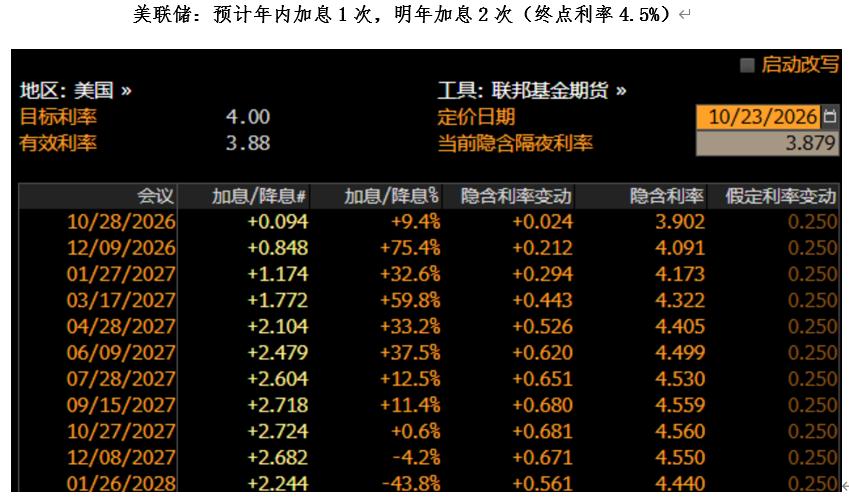
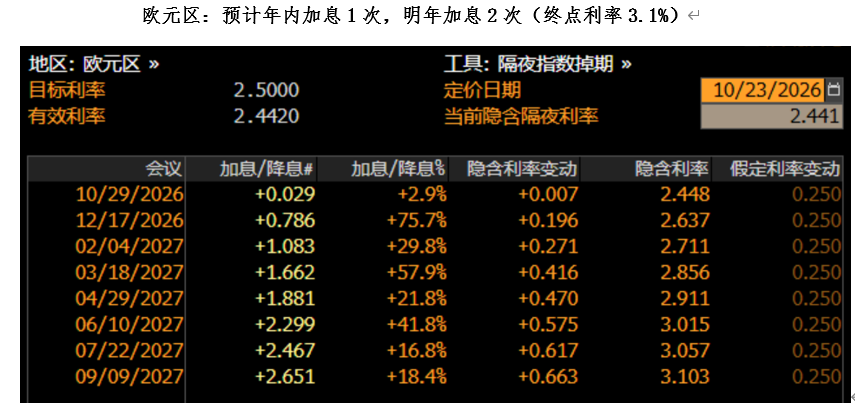
2) In the short term, beware of liquidity tightening and risk-off events. Both European bonds and US stocks are showing signs of liquidity contraction. While fundamentals are one thing, in a market where liquidity is receding, asset pricing can diverge greatly from fair value;
3) On the forex market, neither the US nor Europe presents clear opportunities; the certainty lies with Asian currencies. At the end of the year, the US and Europe are again in an "end-of-year race to the bottom" with no clear directional opportunities. The most certain opportunities may remain with Asian currencies (CNY, KRW, JPY, etc.), as many cases this year have shown that having a strong current account can indeed withstand many risks.
Disclaimer: The content of this article solely reflects the author's opinion and does not represent the platform in any capacity. This article is not intended to serve as a reference for making investment decisions.
You may also like
Applied Materials (AMAT.US) increases its stake in chip equipment manufacturer Besi to 20%, but clarifies it has no intention to further increase or seek a board seat.
Applied Materials has increased its stake in BE Semiconductor Industries NV (Besi) and pledged to strengthen cooperation between the two parties, further deepening their partnership on advanced chip packaging technologies used in artificial intelligence (AI) applications.