
From Crypto to UEX: Bitget’s Biggest Product Launches Before Its 8th Anniversary
A year can change a lot in crypto. For Bitget, the year leading into its eighth anniversary changed the boundaries of what users could trade on the platform.
Crypto spot and futures remain at the heart of Bitget, but the product roadmap has moved decisively beyond them. Between 2025 and 2026, Bitget rolled out stock perpetuals, tokenized U.S. equities, TradFi and CFD markets, pre-IPO access, rToken, direct U.S. stock trading through Stock+, U.S. stock options, cross-asset margin infrastructure and AI-powered trading workflows.
Together, these launches turned the idea of a Universal Exchange, or UEX, from a strategy into something users could actually trade.
By Bitget’s eighth anniversary, the impact was already visible. Non-crypto assets had accounted for as much as 40% of total trading volume at peak, while both TradFi perpetuals and CFDs surpassed $10 billion in daily trading volume. rToken crossed $100 million in assets under management within five weeks and went on to record more than 3 million cumulative transactions.
The bigger story is not simply how many products launched. It is how quickly those products began connecting crypto with stocks, commodities, forex, private-market opportunities and AI inside one ecosystem.
Eight years built the foundation. Now see where UEX begins. Explore Bitget’s 8th Anniversary hub
August 2025: Stock Futures Take Bitget Beyond Crypto
The first major step came in August 2025, when Bitget launched the World's First Stock Futures.
The initial lineup included stock-linked contracts referencing names such as Tesla, NVIDIA and Circle, giving crypto-native traders a familiar futures-style route into U.S. equity exposure.
Unlike buying a share through a traditional brokerage, Stock Futures let users express a directional view through a derivatives product while using the trading mechanics already familiar to crypto futures users.
Bitget expanded the offering in September 2025 with USDT-margined perpetual futures covering 25 major U.S. stocks, including Apple, Amazon, Alphabet, Meta and Tesla, with leverage of up to 25x.
This was an important change in direction.
For years, crypto exchanges largely competed over which tokens, futures pairs or trading tools they could add next. Stock Futures widened that competition to another market entirely.
For Bitget users, U.S. equities no longer had to sit in a completely separate trading world.
September 2025: More Than 100 Tokenized U.S. Stocks Arrive
The next step came quickly.
In September 2025, Bitget and Bitget Wallet integrated more than 100 tokenized U.S. stocks and ETFs through Ondo Finance, bringing blockchain-based exposure to traditional securities into the same ecosystem used for crypto.
Major global names became accessible through tokenized representations, giving eligible users another way to participate in U.S. markets without following the conventional route of opening and funding a separate brokerage account.
This mattered because Stock Futures and tokenized equities served different purposes.
Stock Futures provided derivatives exposure. Tokenized stocks introduced a spot-style route.
That distinction would become increasingly important over the following months as Bitget began building multiple ways to access the same underlying financial markets.
The Ondo integration also provided an early foundation for what would later become a much larger tokenized-equity strategy.

By March 2026, Bitget had expanded its Ondo market further with additional U.S. equities, index ETFs and precious-metal-linked products, including exposure to names such as Tesla, NVIDIA, Apple and Microsoft, alongside products tracking the S&P 500, Nasdaq-100, gold and silver.
Bitget was no longer testing whether crypto users wanted traditional assets.
It was expanding the menu.
January 2026: Bitget TradFi Brings Gold, Forex and CFDs Into UEX
If stock products opened the door, Bitget TradFi pushed it much wider.
On January 5, 2026, Bitget opened its TradFi trading suite to all users after a beta phase that attracted more than 80,000 people to its waitlist.
The launch brought markets such as:
-
Forex
-
Gold and other precious metals
-
Commodities
-
Global indices
-
Stock CFDs
into a USDT-based trading environment.
For crypto users, the significance was straightforward. A trader watching Bitcoin, gold, oil and foreign exchange no longer needed a completely separate workflow for each market.
The product also found demand quickly.
Within weeks of its public rollout, TradFi trading reached $4 billion in daily volume, doubling from $2 billion in roughly two weeks. By Bitget’s eighth anniversary, daily CFD volume had moved beyond $10 billion.
This was one of the clearest signals that UEX was becoming more than a branding concept.
Bitget was beginning to operate across crypto and macro markets at meaningful scale.
April 2026: IPO Prime Opens the Door to Pre-IPO Opportunities

Public equities were only one part of the expansion.
In April 2026, Bitget launched IPO Prime, extending the UEX model into pre-IPO market access.
The first major opportunity centered on SpaceX, giving eligible users a route to gain exposure before a company reaches the conventional public-market stage. IPO Prime uses a subscription-based structure for tokenized offerings linked to selected companies.
That represented another change in the scope of a crypto exchange.
Stock futures let traders speculate on public equities. Tokenized stocks brought public-market exposure onchain. TradFi opened forex and commodities.
IPO Prime pushed Bitget into an area traditionally associated with private capital and institutional networks.
In other words, UEX was no longer only about bringing more listed assets onto one screen. It was also expanding where in the investment lifecycle users could gain access.
June 2026: rToken Turns Tokenized Stocks Into a Core Bitget Market
Then came one of Bitget’s biggest product upgrades of the year.
On June 2, 2026, Bitget launched Stocks 2.0, introducing tokenized U.S. equities issued through Reality and traded as rTokens.
rToken was built around three key ideas:
-
Deeper connection to U.S. stock-market liquidity
-
1:1 economic mapping to the underlying equity
-
More ways to use tokenized stocks across Bitget beyond simple spot trading
This gave crypto-native users a different route into U.S. stocks.
Instead of leaving the ecosystem, converting funds through traditional banking rails and moving capital to a separate broker, eligible users could access tokenized stock exposure through familiar crypto assets such as USDT.
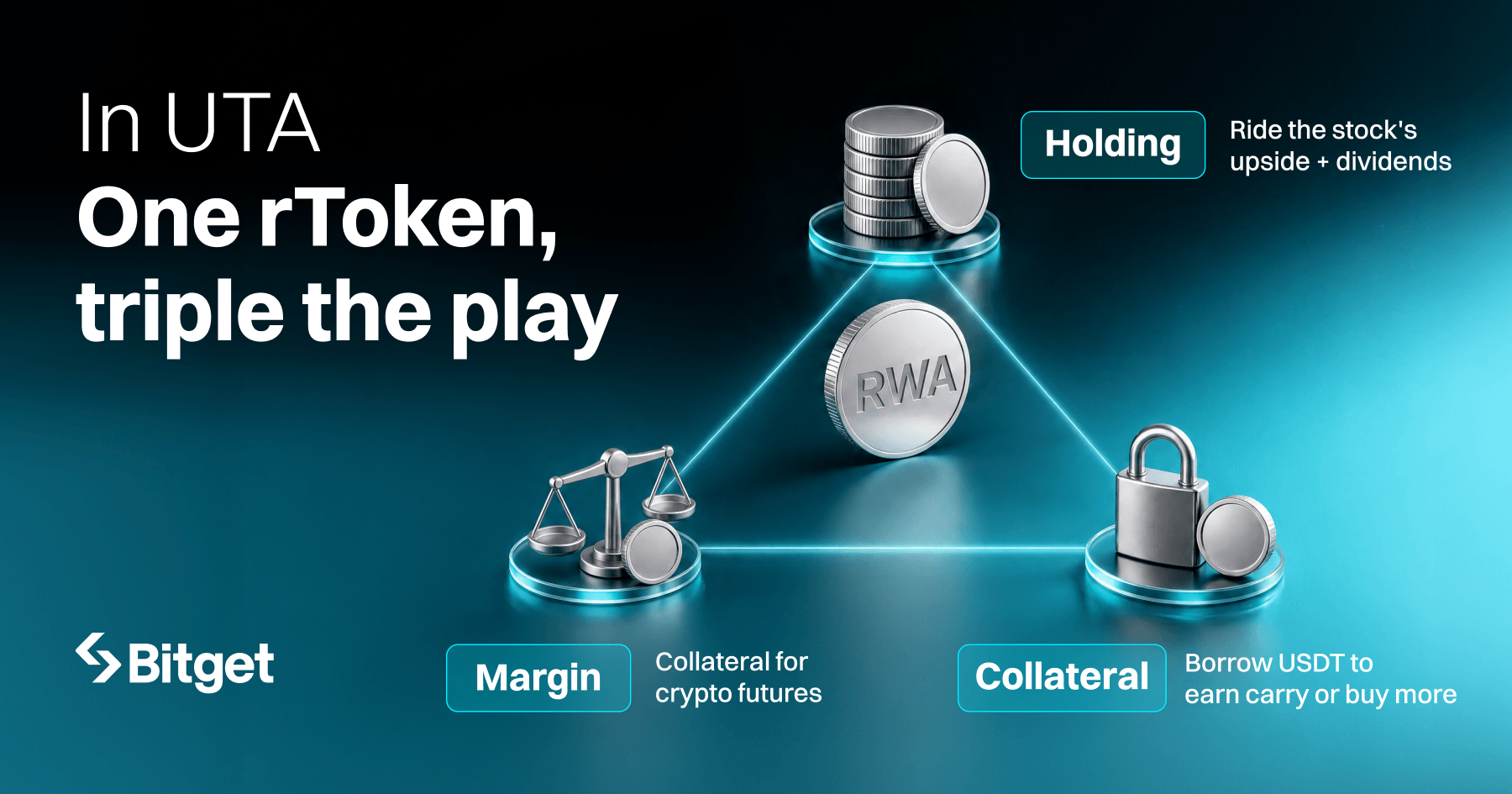
The product also expanded beyond buy-and-hold exposure. Supported rTokens have progressively been integrated into margin, collateral, loans, strategy tools and other capital-efficiency use cases across Bitget.
Adoption came quickly.
rToken surpassed $100 million in AUM within five weeks, while its cumulative transactions later exceeded 3 million. By the eighth anniversary, one in four new Bitget users was beginning their trading journey with rToken.
That made tokenized stocks more than an additional market category.
They had become one of the clearest examples of how UEX could bring a traditionally separate asset class into a crypto-native account.
June 2026: Stock+ Adds Real U.S. Stocks
Three weeks after rToken, Bitget opened another door into U.S. equities.
On June 22, 2026, Stock+ launched, enabling eligible users to purchase real U.S. stocks through a broker-style experience funded with digital assets.
At first glance, Stock+ and rToken may seem similar. Both give users access to the U.S. equity market.
Their structures, however, serve different needs.
rToken is the crypto-native route. It provides tokenized stock exposure issued by Reality and is designed to work across supported Bitget trading, margin and collateral scenarios.
Stock+ is the direct stock route. It is designed for users who prefer a more traditional brokerage-style experience and direct access to U.S.-listed stocks and ETFs through licensed securities partners.
Together, the two products form the core of Bitget Stocks 2.0.
That gives users something unusual inside a crypto ecosystem: a choice in how they want to access the same equity market.
Crypto-native traders can use rToken. Users looking for a more traditional stock-investing model can use Stock+.
The platform does not force one type of investor to behave like the other.
July 2026: U.S. Stock Options Add Another Layer
Spot stocks were not the end of the expansion.
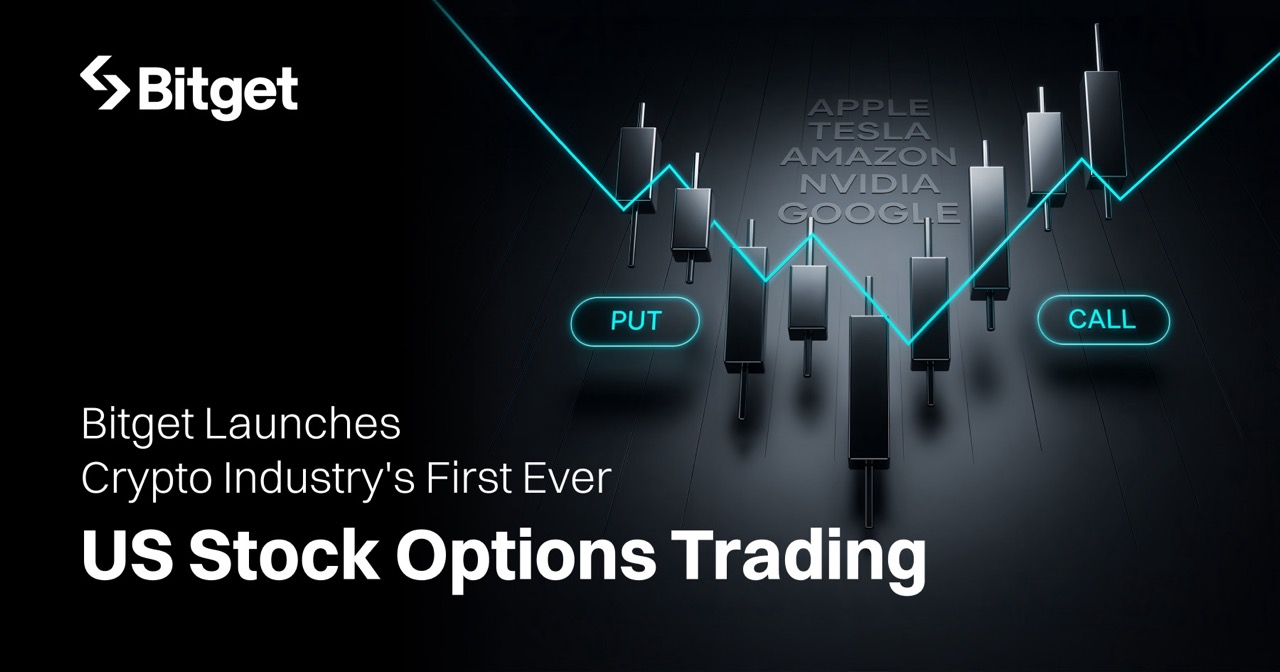
On July 2, 2026, Bitget launched U.S. stock options, initially offering long call and long put strategies on major U.S.-listed companies.
Options introduced an entirely different set of possibilities.
A stock investor might buy shares because they expect long-term appreciation. A trader using options may instead want to express a directional view, manage downside exposure or structure a trade around a particular market event.
By bringing options into Bitget, the stock ecosystem now covered several distinct trading styles:
-
Stock Futures: leveraged derivatives exposure
-
rToken: tokenized stock exposure
-
Stock+: direct U.S. stock access
-
U.S. Stock Options: options-based strategies
That is a much broader proposition than simply adding “stocks” to a crypto exchange.
It is an attempt to recreate multiple layers of the equity market inside the same ecosystem.
July 2026: Cross-Asset UTA Makes Stocks Useful as Capital
Listing more markets solves only one part of the problem.
The next challenge is capital efficiency.
A trader may own crypto in one account, equities in another and keep additional capital idle as margin elsewhere. Even when the assets belong to the same person, they cannot always work together.
Bitget’s Cross-Asset Unified Trading Account, launched in July 2026, was built to address that fragmentation.
The initial rollout brought more than 370 eligible assets into a unified margin pool, including U.S. stock rTokens. Support later expanded to 125 stock tokens as margin assets.
That changes what holding a tokenized stock can mean.
Instead of an eligible rToken simply sitting in an account, it can potentially continue providing stock exposure while also supporting other trading or financing activity within the UTA framework.
This is where the UEX idea becomes more powerful.
Adding crypto and stocks to one app is convenient.
Allowing those assets to work together as capital is a much deeper form of integration.
July 2026: Quanto Perpetuals Push UEX Beyond U.S. Markets
Bitget also began extending the model geographically.
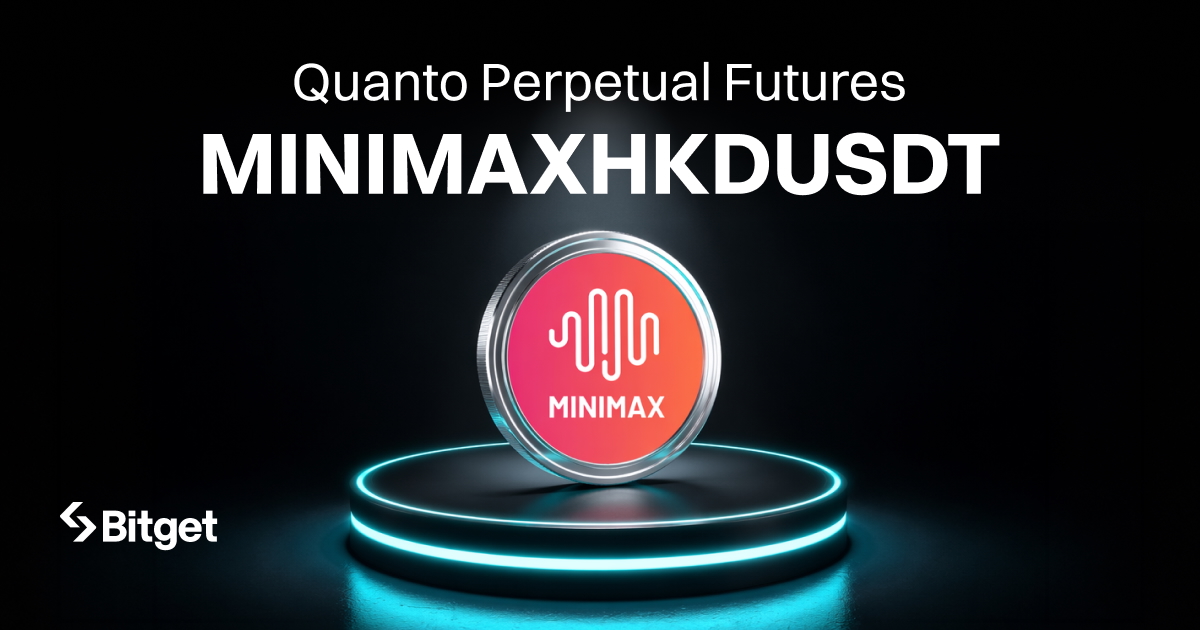
On July 21, 2026, the platform launched TradFi Quanto Perpetual Futures, starting with a contract linked to Hong Kong-listed AI company MiniMax.
The structure allows traders to gain exposure to stocks priced in a local currency such as HKD while keeping margin, funding fees and realized P&L in USDT.
That reduces another layer of market fragmentation: currency conversion.
A user can follow an asset in its home market while still operating through crypto-native settlement infrastructure.
The first product focused on Hong Kong equities, but the concept points to something larger.
UEX is not limited to bringing Wall Street into crypto. The goal is to make a wider range of global markets accessible through the same trading architecture.
AI Joins the Product Stack With GetAgent Playbook
Bitget’s expansion has not been limited to what users can trade.
It has also changed how they trade.
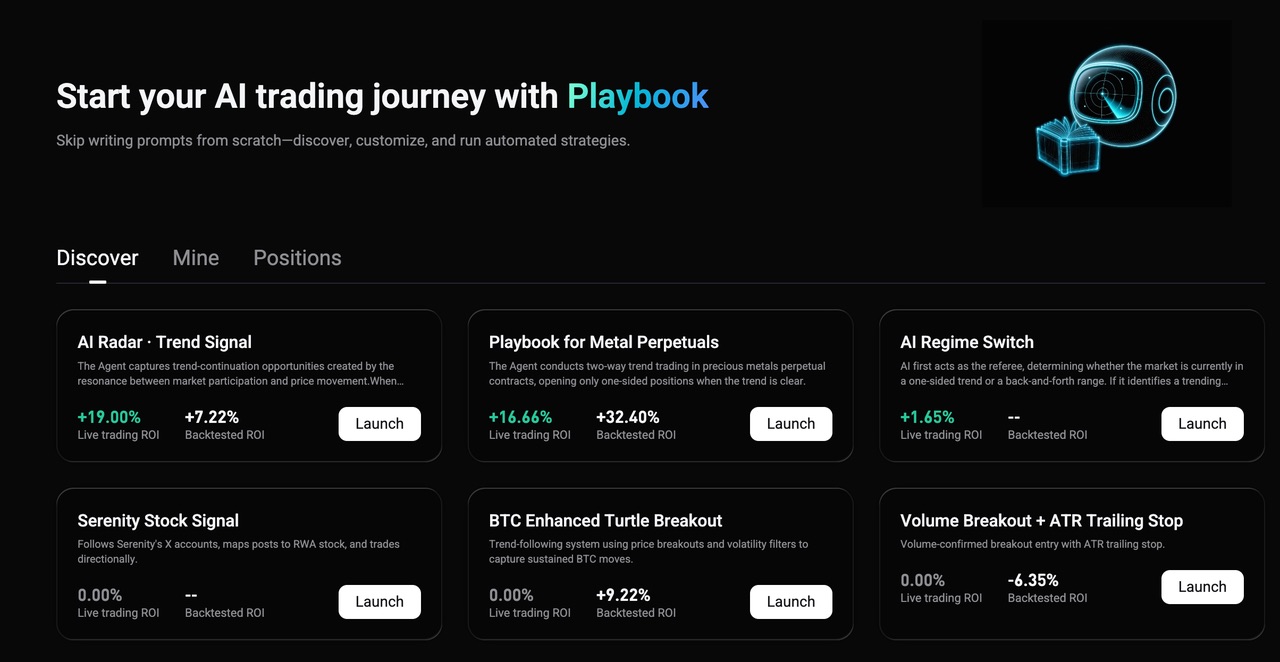
On June 17, 2026, Bitget launched GetAgent Playbook, a structured strategy layer within its AI ecosystem.
Rather than using AI only to answer market questions, Playbook lets users browse, subscribe to and deploy structured trading workflows.
In July, GetAgent Playbook expanded into tokenized U.S. equities, bringing AI-powered stock screening and automated order placement into the rToken ecosystem. The product recorded more than 30,000 unique users in its first week.
This adds another piece to the UEX puzzle.
A Universal Exchange is not only about having more assets available. As the number of markets grows, users also need better ways to research, monitor and execute across them.
AI can increasingly act as the interface connecting those markets.
From More Products to One Universal Exchange
Viewed individually, Bitget’s launches over the past year cover very different markets.
Stock Futures are derivatives. rToken represents tokenized equity exposure. Stock+ offers direct stocks. CFDs cover markets ranging from gold to forex. IPO Prime reaches into pre-IPO opportunities. U.S. stock options bring more advanced equity strategies. GetAgent Playbook adds AI-driven workflows.
Put them together, however, and the direction becomes much clearer.
Bitget is building around a simple idea: users should not need a different financial platform every time they want to trade a different type of asset.
That means bringing more markets into the same ecosystem, but it also means connecting the infrastructure beneath them.
The Cross-Asset UTA allows eligible crypto and stock assets to share a margin environment. USDT can act as a common trading and settlement layer across multiple markets. AI tools can help users navigate a broader universe of opportunities.
The numbers suggest users are already testing that model at scale.
By the eighth anniversary:
-
Non-crypto assets had reached up to 40% of total trading volume at peak
-
TradFi perpetual daily volume had exceeded $10 billion
-
CFD daily volume had exceeded $10 billion
-
rToken had recorded more than 3 million cumulative transactions
-
rToken had crossed $100 million in AUM within five weeks
Crypto remains the foundation.
But the trading universe around it has become much larger.
Bitget at 8: The UEX Era Is Taking Shape
Bitget did not arrive at UEX through a single product launch.
It happened step by step.
Stock Futures brought equities into the derivatives market. Ondo-powered tokens introduced broader tokenized stock access. Bitget TradFi added forex, gold, commodities and CFDs. IPO Prime opened pre-IPO opportunities. rToken brought tokenized equities deeper into the crypto ecosystem. Stock+ added direct stock access. U.S. stock options expanded the strategy set. Cross-Asset UTA started connecting capital across asset classes, while GetAgent brought AI into the trading workflow.
In roughly a year, Bitget moved from expanding a crypto exchange to building a platform where crypto, stocks, tokenized assets, options, commodities, forex and AI-powered trading can increasingly exist side by side.
That is the bigger milestone behind Bitget’s eighth anniversary.
The first eight years built the trading foundation. The latest product cycle is showing what happens when that foundation expands beyond crypto.
Welcome to the UEX era.


- August 2025: Stock Futures Take Bitget Beyond Crypto
- September 2025: More Than 100 Tokenized U.S. Stocks Arrive
- January 2026: Bitget TradFi Brings Gold, Forex and CFDs Into UEX
- April 2026: IPO Prime Opens the Door to Pre-IPO Opportunities
- June 2026: rToken Turns Tokenized Stocks Into a Core Bitget Market
- June 2026: Stock+ Adds Real U.S. Stocks
- July 2026: U.S. Stock Options Add Another Layer
- July 2026: Cross-Asset UTA Makes Stocks Useful as Capital
- July 2026: Quanto Perpetuals Push UEX Beyond U.S. Markets
- AI Joins the Product Stack With GetAgent Playbook
- From More Products to One Universal Exchange
- Bitget at 8: The UEX Era Is Taking Shape